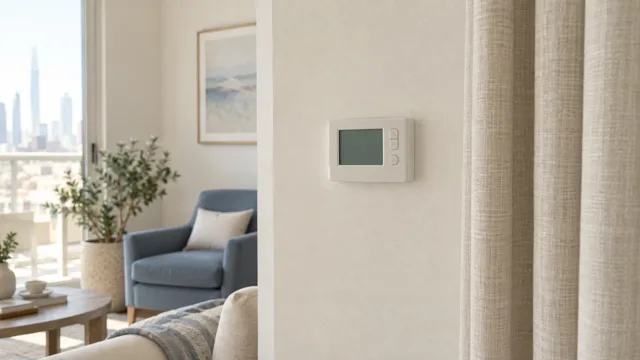
Indoor temperature and humidity can change significantly while a home is empty. The right setup depends on your property, AC system, season, layout and building conditions.
The aim is not to follow one universal temperature setting. It is to leave the home in a stable condition and make sure unusual changes do not go unnoticed.
Plan for your particular home
Before you travel:
- confirm how your AC should operate while the property is empty
- check that it appears to be working normally
- note any rooms that tend to become warmer or more humid
- close curtains or blinds where appropriate to reduce direct sunlight
- address any existing AC, condensation or moisture concern before leaving
If you are unsure about the correct settings for your system, ask your building management or a qualified AC provider.
Pay attention to humidity, not just temperature
An empty home can become warm and humid if the AC is switched off or is not operating as expected.
Higher humidity can contribute to:
- condensation
- musty smells
- visible moisture
- mold or mildew
- deterioration of some furniture, fabrics or belongings
Conditions can vary from one room to another, which is why a single reading for the whole property is not particularly useful.
Decide what should be monitored
If someone will be checking your home while you are away, agree in advance which areas matter.
Useful checkpoints might include:
- bedrooms
- living areas
- rooms with known humidity concerns
- AC controls
- wardrobes or cabinets where moisture has previously appeared
Record any known issues before you leave so changes are easier to recognize later.
Consider simple moisture-control measures
For some homes, moisture absorbers can be a useful supplementary measure in areas such as wardrobes or enclosed cabinets.
They are not a substitute for proper AC operation, ventilation or professional treatment of an existing moisture problem.
If you already have visible mold, persistent condensation or a strong musty smell, deal with the cause directly.
Signs worth paying attention to
During an absence, unusual observations may include:
- AC that does not appear to be operating normally
- noticeably warmer rooms
- unexpectedly high humidity readings
- condensation
- musty or unusual smells
- visible moisture
- new mold or mildew
These signs do not automatically identify the cause. They may indicate that the property should be checked by building management or an appropriate specialist.
What not to do
Don't assume one AC setting is right for every home.
Different buildings, systems and rooms behave differently.
Don't switch the AC off without considering humidity and building conditions.
Don't ignore an existing moisture or AC problem before traveling.
Don't treat a humidity reading as a diagnosis.
It is one piece of information that should be considered alongside what is actually happening in the room.
A simple pre-travel AC checklist
Before leaving:
- Check that the AC appears to be working normally
- Confirm the appropriate operating mode/settings for your home
- Close curtains or blinds where appropriate
- Note any rooms with previous humidity or moisture concerns
- Record the checkpoints you want monitored
- Address visible mold, condensation or AC issues before departure
- Arrange for someone to check the home during longer absences
How Jaari can help
During Home Care visits, Jaari can:
- check whether the AC appears to be operating
- record temperature and relative humidity at agreed room checkpoints
- note unusual smells, condensation or visible moisture
- document unusual findings with photos and context
- place moisture absorbers where requested
- help coordinate an appropriate provider if something needs specialist attention
After every visit, you receive a clear report showing the readings and observations from the relevant rooms, and recommendations where relevant.